

Determining the load - bearing capacity of a multi - station machine is crucial for ensuring its safe and efficient operation. As a multi - station machine supplier, I've seen firsthand how important it is for customers to understand this aspect before making a purchase. In this blog, I'll share some key points on how to figure out the load - bearing capacity of a multi - station machine.
Understanding the Basics of Load - Bearing Capacity
First off, what exactly is load - bearing capacity? Simply put, it's the maximum amount of weight or force that a multi - station machine can handle without suffering damage or experiencing a significant decrease in performance. This includes both static loads (like the weight of the materials being processed) and dynamic loads (such as the forces generated during the machine's operation).
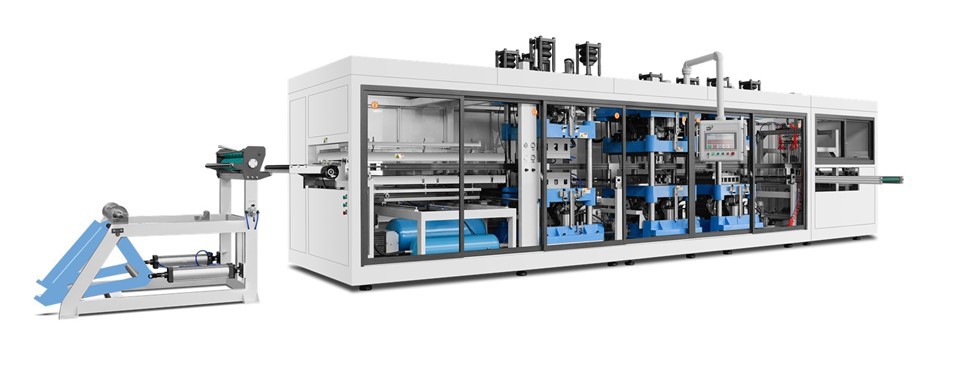
When we talk about multi - station machines, they come in various types, like the Plastic Food Container Thermoforming Machine, 4 - station Thermoforming Machine, and Multi - station Thermoforming Machine. Each type has its own unique load - bearing requirements based on its design and intended use.
Factors Affecting Load - Bearing Capacity
Machine Structure and Design
The physical structure of the machine plays a huge role in determining its load - bearing capacity. Machines with a robust and well - engineered frame can generally handle more weight. For example, a multi - station machine with a thick steel frame is likely to have a higher load - bearing capacity than one with a thinner, less sturdy frame. The way the different components are connected also matters. A machine with strong welds and secure fasteners can better distribute the load across its structure.
Material of Construction
The materials used to build the machine are another important factor. High - quality materials like high - grade steel or reinforced alloys can withstand more stress and weight. Cheaper materials might save on cost initially, but they can lead to premature wear and tear, and a lower overall load - bearing capacity. For instance, if a machine's platform is made of a low - grade aluminum alloy, it may not be able to support heavy materials as well as a platform made of high - strength steel.
Component Quality
The quality of the individual components within the machine is crucial. Things like motors, gears, and bearings need to be able to handle the load. A high - quality motor can provide the necessary power to move heavy loads smoothly, while a low - quality one may overheat or break down under stress. Similarly, well - made gears and bearings can reduce friction and ensure efficient operation, even when the machine is under a heavy load.
Calculating the Load - Bearing Capacity
Static Load Calculation
To calculate the static load, you need to consider the weight of all the materials that will be on the machine at any given time. This includes the raw materials being processed, any fixtures or tooling, and the weight of any workpieces that are in the process of being formed or machined. For example, if you're using a multi - station thermoforming machine to make plastic food containers, you need to know the weight of the plastic sheets, the molds, and any additional equipment that's attached to the machine.
Let's say you have a plastic sheet that weighs 5 kilograms per square meter, and your machine's working area is 2 square meters. The weight of the plastic sheet alone is 5 x 2 = 10 kilograms. Then, you need to add the weight of the molds and other fixtures. If the molds weigh 20 kilograms and the fixtures weigh 5 kilograms, the total static load is 10+20 + 5 = 35 kilograms.
Dynamic Load Calculation
Dynamic loads are a bit more complicated to calculate. They involve the forces generated during the machine's operation, such as the acceleration and deceleration of moving parts, and the impact forces when the machine performs certain actions. To calculate dynamic loads, you may need to use engineering formulas and data from the machine's specifications.

For example, if a multi - station machine has a moving part that accelerates at a certain rate, you can use Newton's second law (F = ma, where F is force, m is mass, and a is acceleration) to calculate the force generated. However, in real - world situations, there are often other factors to consider, like friction and the elasticity of the materials. In many cases, it's a good idea to consult with an engineer or use specialized software to accurately calculate dynamic loads.
Testing the Load - Bearing Capacity
Manufacturer's Testing
As a multi - station machine supplier, we conduct a series of tests on our machines to determine their load - bearing capacity. We use specialized equipment to apply different levels of static and dynamic loads to the machine and monitor its performance. We check for things like deformation, vibration, and any signs of stress on the components. Only after the machine passes these tests do we consider it ready for the market.
On - Site Testing
Once the machine is installed at the customer's site, it's a good idea to conduct some on - site testing. This can help ensure that the machine is operating within its load - bearing limits in the actual working environment. You can start by gradually increasing the load on the machine and observing its performance. If you notice any unusual noises, vibrations, or signs of wear, it could be a sign that the load is too high.
Importance of Determining Load - Bearing Capacity
Safety
Safety is the number one reason to determine the load - bearing capacity of a multi - station machine. Overloading a machine can lead to serious accidents, such as the machine collapsing or parts flying off. This can cause injuries to operators and damage to the surrounding equipment and facilities. By knowing the load - bearing capacity, you can ensure that the machine is used safely.
Performance and Efficiency
Operating a machine within its load - bearing limits also ensures optimal performance and efficiency. When a machine is overloaded, it has to work harder, which can lead to increased energy consumption, faster wear and tear, and a shorter lifespan. On the other hand, when the load is within the recommended range, the machine can operate smoothly and produce high - quality products.
Conclusion
Determining the load - bearing capacity of a multi - station machine is a complex but essential task. It involves understanding the machine's structure, materials, and components, as well as calculating both static and dynamic loads. By doing so, you can ensure the safety, performance, and efficiency of the machine.
If you're in the market for a multi - station machine and need help determining the right load - bearing capacity for your needs, don't hesitate to contact us. We're here to assist you in making the best choice for your business. Whether it's a Plastic Food Container Thermoforming Machine, 4 - station Thermoforming Machine, or Multi - station Thermoforming Machine, we've got the expertise to guide you through the process.
References
- Machine Design Handbook
- Engineering Mechanics textbooks
- Industry standards and guidelines for multi - station machines


