

Hey there! As a supplier of multi - station machines, I often get asked about the installation requirements for these bad boys. So, I thought I'd put together this blog post to give you all the deets.
First off, let's talk about the space. Multi - station machines are usually pretty big, so you need to have enough room. You don't want to cram it into a tiny corner and expect it to work smoothly. A good rule of thumb is to measure the machine's dimensions (length, width, and height) and then add at least a couple of feet on all sides. This extra space is important for maintenance, cleaning, and just to make sure you can move around the machine safely.
For example, if you're looking at our 4 - station Thermoforming Machine, it's a substantial piece of equipment. You'll need a well - ventilated area that can accommodate its size and allow for easy access to all its parts.
Next up is the power supply. Multi - station machines are power - hungry. You need to make sure your electrical system can handle the load. Check the machine's power requirements, which are usually listed in the user manual. It'll tell you things like the voltage, amperage, and phase. You might need to have an electrician come in and assess your existing electrical setup. If it's not up to par, they can make the necessary upgrades.
Some machines, like our Negative and Positive Thermoforming Machine, have specific power needs due to their complex heating and forming processes. You don't want to overload your circuits, as that can not only damage the machine but also pose a safety hazard.
The floor is another crucial factor. The machine needs to be placed on a flat, level surface. Uneven floors can cause the machine to vibrate excessively during operation, which can lead to premature wear and tear on the components. It can also affect the quality of the products the machine produces.
If your floor isn't perfectly level, you might need to use shims or other leveling devices. In some cases, you might even have to pour a new concrete pad. This is especially important for heavy - duty multi - station machines that are constantly in motion.
Now, let's talk about ventilation. Many multi - station machines generate a lot of heat and fumes during operation. Proper ventilation is essential to keep the working environment safe and comfortable. You need to have exhaust systems in place to remove the hot air and any potentially harmful fumes.
For instance, our Plastic Food Container Thermoforming Machine uses heat to shape plastic. This process can release fumes that aren't good to breathe in. A well - designed ventilation system will help keep the air clean and prevent any health issues for your workers.
In addition to ventilation, you also need to consider the temperature and humidity of the installation area. Extreme temperatures and high humidity can affect the performance of the machine. Most multi - station machines work best within a certain temperature and humidity range. You might need to install climate - control systems, like air conditioners or dehumidifiers, to maintain the ideal conditions.
Another important aspect is the water supply. Some multi - station machines, especially those involved in thermoforming processes, require a water source for cooling. You need to make sure you have a reliable water supply with the right pressure and flow rate. The water lines should be properly installed and connected to the machine. And don't forget about drainage. You need a way to get rid of the used water safely.
Accessibility is also key. You want to make sure that all parts of the machine are easily accessible for maintenance and repairs. This means having enough clearance around the machine and making sure there are no obstacles in the way. You should be able to reach the control panels, motors, and other components without having to move heavy equipment or furniture.
When it comes to installation, it's always a good idea to have the manufacturer's technicians on - site. They have the expertise and experience to install the machine correctly. They can also provide training to your staff on how to operate and maintain the machine.
Before the installation, you should also have a plan for the layout of your workspace. Think about how the multi - station machine will fit in with your existing production line. You want to make sure there's a smooth flow of materials and products in and out of the machine. This can improve efficiency and productivity.
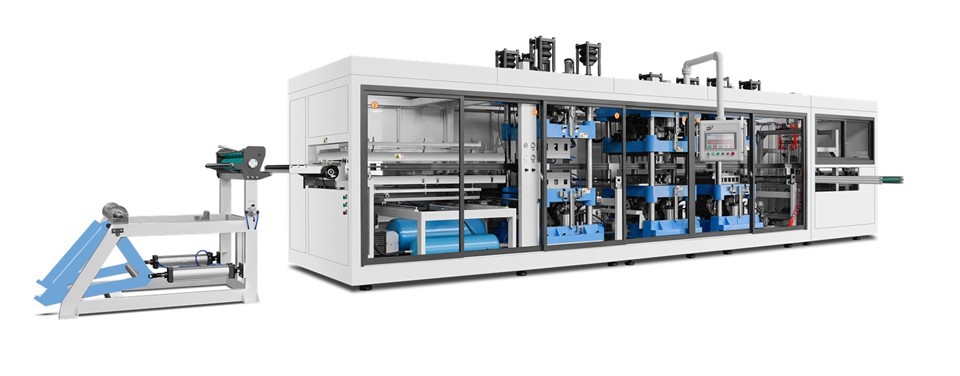

Once the machine is installed, you need to conduct a thorough inspection and testing. Check all the connections, make sure the machine is running smoothly, and test the products it produces. This will help you identify any issues early on and get them fixed before you start full - scale production.
In conclusion, installing a multi - station machine is a complex process that requires careful planning and attention to detail. You need to consider factors like space, power supply, floor levelness, ventilation, temperature, humidity, water supply, and accessibility. By following these installation requirements, you can ensure that your machine operates efficiently and produces high - quality products.
If you're interested in purchasing a multi - station machine or have any questions about the installation process, don't hesitate to reach out. We're here to help you every step of the way. Whether you're in the market for a 4 - station Thermoforming Machine, a Negative and Positive Thermoforming Machine, or a Plastic Food Container Thermoforming Machine, we've got you covered. Let's start a conversation and see how we can meet your production needs.
References:
- Manufacturer's user manuals for multi - station machines
- Industry standards for industrial equipment installation


