

Hey there! As a supplier of multi - station machines, I've seen firsthand how crucial it is to choose the right feeding system for these beasts. A multi - station machine is a real workhorse in many industries, from packaging to manufacturing. But if you don't pair it with the correct feeding system, you're gonna face a whole bunch of headaches. So, let's dive into how you can pick the perfect feeding system for your multi - station machine.
Understanding Your Multi - Station Machine
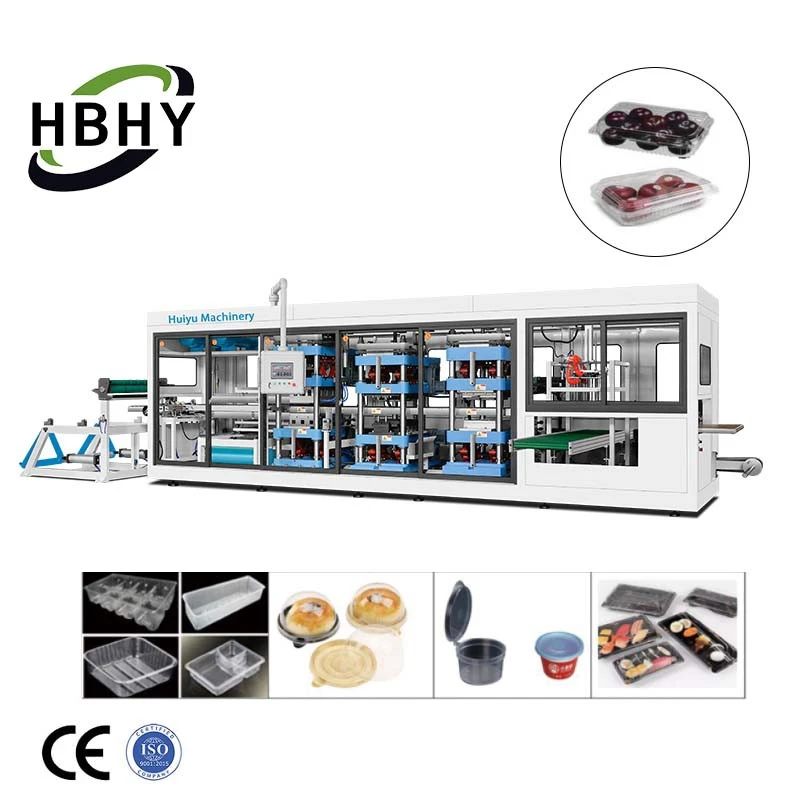
First things first, you gotta know your multi - station machine inside out. There are different types, like the Multi - station Thermoforming Machine and the 4 - station Thermoforming Machine. Each has its own unique features and requirements.
For instance, a thermoforming machine needs to heat and shape plastic sheets. So, the feeding system has to be able to handle these sheets smoothly, without causing any wrinkles or tears. The speed at which the machine operates also matters. If it's a high - speed machine, the feeding system has to keep up, or you'll end up with production bottlenecks.
Types of Feeding Systems
There are several types of feeding systems out there, and each has its pros and cons.
Gravity Feeding Systems
Gravity feeding systems are pretty simple. They rely on gravity to move the materials from a hopper or container to the machine. This type of system is great for dry, free - flowing materials like grains or small plastic pellets. It's low - cost and easy to maintain. But the downside is that it's not very precise. If you need a very accurate amount of material to be fed into the machine, a gravity feeding system might not cut it.
Vibratory Feeding Systems
Vibratory feeding systems use vibrations to move materials along a track or chute. They're more precise than gravity feeding systems and can handle a wider range of materials, including irregularly shaped parts. You can adjust the vibration intensity to control the feeding rate. However, they can be a bit noisy, and they require some calibration to work properly.
Belt Feeding Systems
Belt feeding systems use a conveyor belt to move materials. They're great for handling large, heavy, or bulky items. You can control the speed of the belt to adjust the feeding rate. Belt feeding systems are also very reliable and can handle continuous operation. But they take up more space than other feeding systems, and the belts can wear out over time.
Pneumatic Feeding Systems
Pneumatic feeding systems use compressed air to move materials through a tube or pipe. They're very fast and can handle materials over long distances. They're also great for handling delicate materials, as the air cushion can protect them from damage. However, they require a reliable source of compressed air, and they can be expensive to set up and maintain.
Factors to Consider When Choosing a Feeding System
Now that you know the types of feeding systems, let's talk about the factors you should consider when making your choice.
Material Characteristics
The type of material you're feeding into the machine is one of the most important factors. Is it dry or wet? Is it free - flowing or sticky? Is it fragile or tough? For example, if you're using a Fruit Box Making Machine to make fruit boxes from plastic sheets, you need a feeding system that can handle the plastic sheets without damaging them.
Production Volume
Your production volume also plays a big role. If you have a high - volume production line, you need a feeding system that can keep up. A slow or unreliable feeding system will slow down your entire production process. On the other hand, if you have a low - volume production, you might not need a very high - tech or expensive feeding system.
Precision Requirements
How precise does the feeding need to be? If your machine requires a very accurate amount of material to be fed in each cycle, you'll need a feeding system that can provide that level of precision. For example, in some chemical or pharmaceutical manufacturing processes, even a small deviation in the amount of material can have a big impact on the final product.
Space Constraints
The amount of space you have in your factory is another important factor. Some feeding systems, like belt feeding systems, take up a lot of space. If you're short on space, you might need to choose a more compact feeding system, like a vibratory or pneumatic feeding system.
Cost
Cost is always a consideration. You need to balance the cost of the feeding system with its performance and features. A high - end feeding system might offer more precision and reliability, but it'll also cost more. You need to figure out what you can afford and what you really need for your production process.
Compatibility with the Multi - Station Machine
The feeding system you choose has to be compatible with your multi - station machine. It should be able to connect to the machine easily and work in harmony with it. For example, the feeding system should be able to deliver the materials to the right location on the machine, at the right time.
You also need to make sure that the feeding system can handle the machine's operating speed. If the machine operates at a high speed, the feeding system has to be able to keep up. Otherwise, you'll have production issues.
Testing and Evaluation
Once you've narrowed down your choices, it's a good idea to test the feeding systems. Many suppliers, including us, offer testing services. You can bring your materials to our facility and test different feeding systems with your multi - station machine. This way, you can see how they perform in real - world conditions and make an informed decision.
Conclusion
Choosing the right feeding system for a multi - station machine is not an easy task. It requires careful consideration of the machine's requirements, the material characteristics, and your production needs. But by understanding the different types of feeding systems and the factors to consider, you can make a choice that will improve your production efficiency and quality.
If you're in the market for a multi - station machine and need help choosing the right feeding system, don't hesitate to reach out. We're here to assist you in finding the perfect solution for your business. Whether you're using a Multi - station Thermoforming Machine, a 4 - station Thermoforming Machine, or a Fruit Box Making Machine, we've got the expertise to guide you through the process.

References
- "Feeding Systems for Industrial Machines" - Industrial Machinery Handbook
- "Advanced Material Handling in Manufacturing" - Manufacturing Technology Journal


