

Temperature is a critical factor in the operation of a plastic cup making machine. As a trusted supplier of plastic cup making machines, we understand the significance of maintaining the right temperature throughout the manufacturing process. In this blog, we'll delve into the temperature requirements for plastic cup making machines, exploring why they matter and how to achieve optimal results.
The Role of Temperature in Plastic Cup Manufacturing
Plastic cup manufacturing involves several processes, including heating, forming, and cooling. Each of these steps requires specific temperature conditions to ensure the quality and consistency of the final product.
Heating Process
The heating process is the first step in plastic cup manufacturing. The plastic sheet, typically made of materials such as polypropylene (PP), polystyrene (PS), or polyethylene terephthalate (PET), needs to be heated to a specific temperature to make it malleable. The temperature at which the plastic softens is known as the glass transition temperature (Tg). For example, the Tg of polypropylene is around 0°C to 10°C, while that of polystyrene is approximately 100°C.
During the heating process, the plastic sheet is passed through a heating unit, where it is exposed to infrared radiation or hot air. The temperature of the heating unit needs to be carefully controlled to ensure that the plastic reaches the desired temperature without overheating. Overheating can cause the plastic to degrade, resulting in poor-quality cups with defects such as bubbles, warping, or discoloration.
Forming Process
Once the plastic sheet is heated to the appropriate temperature, it is transferred to the forming station, where it is shaped into cups using a mold. The temperature of the mold also plays a crucial role in the forming process. The mold needs to be heated to a specific temperature to ensure that the plastic retains its shape and does not stick to the mold surface.
The temperature of the mold is typically set slightly higher than the Tg of the plastic material. This allows the plastic to flow easily into the mold cavities and take on the desired shape. However, if the mold temperature is too high, the plastic may become too soft and lose its shape, resulting in cups with thin walls or other defects. On the other hand, if the mold temperature is too low, the plastic may not flow properly, leading to incomplete filling of the mold cavities and cups with rough surfaces.
Cooling Process
After the cups are formed, they need to be cooled rapidly to solidify and maintain their shape. The cooling process is essential for ensuring the dimensional stability and strength of the cups. The temperature of the cooling system needs to be carefully controlled to prevent the cups from warping or cracking during the cooling process.
The cooling system typically consists of a series of cooling channels or air jets that direct cool air or water onto the cups. The temperature of the cooling medium needs to be set at a specific value to ensure that the cups cool down evenly and quickly. If the cooling rate is too fast, the cups may develop internal stresses, which can lead to cracking or warping. If the cooling rate is too slow, the cups may not solidify properly, resulting in soft or deformed cups.
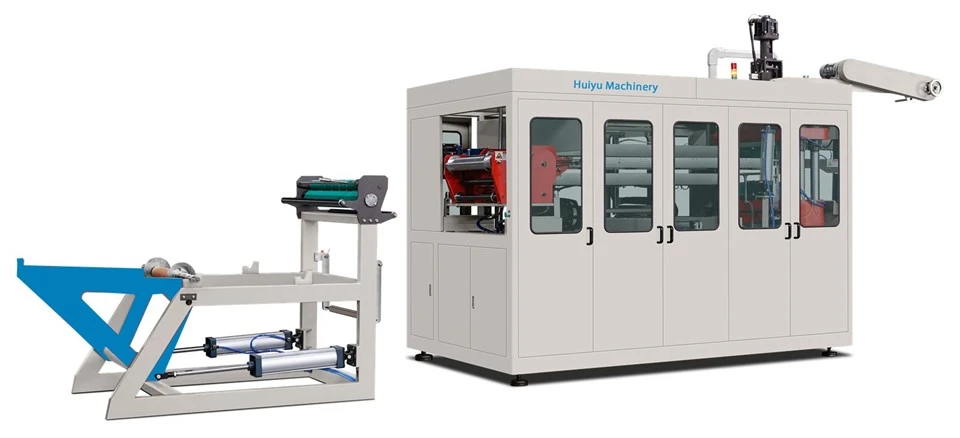
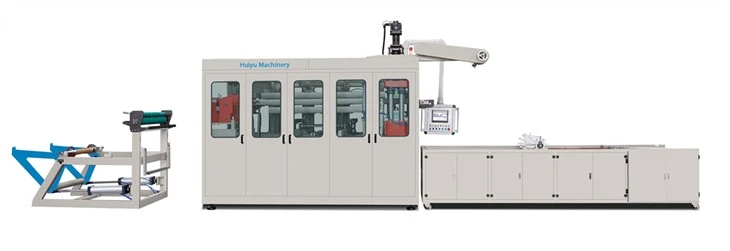
Temperature Requirements for Different Types of Plastic Cup Making Machines
The temperature requirements for plastic cup making machines can vary depending on the type of machine and the plastic material being used. Here are some general guidelines for different types of plastic cup making machines:
Disposable Plastic Cup Thermoforming Machine
A Disposable Plastic Cup Thermoforming Machine is a popular choice for manufacturing disposable plastic cups. This type of machine uses a thermoforming process to heat and shape the plastic sheet into cups. The temperature requirements for a disposable plastic cup thermoforming machine typically range from 150°C to 200°C for the heating unit and 50°C to 80°C for the mold.
Automatic Plastic Cup Thermoforming Machine
An Automatic Plastic Cup Thermoforming Machine is a more advanced version of the disposable plastic cup thermoforming machine. This type of machine is fully automated and can produce a large number of cups per hour. The temperature requirements for an automatic plastic cup thermoforming machine are similar to those of a disposable plastic cup thermoforming machine, but the machine may have more precise temperature control systems to ensure consistent quality.
Full-automatic Cup Thermoforming Machine
A Full-automatic Cup Thermoforming Machine is the most advanced type of plastic cup making machine. This type of machine can perform all the processes involved in plastic cup manufacturing, including heating, forming, trimming, and stacking, automatically. The temperature requirements for a full-automatic cup thermoforming machine are similar to those of an automatic plastic cup thermoforming machine, but the machine may have more sophisticated temperature control systems to ensure high-quality production.
Factors Affecting Temperature Requirements
Several factors can affect the temperature requirements for a plastic cup making machine. These factors include:
Plastic Material
Different plastic materials have different Tg values and processing characteristics. Therefore, the temperature requirements for a plastic cup making machine will depend on the type of plastic material being used. For example, polypropylene has a lower Tg than polystyrene, so it requires a lower heating temperature.
Cup Size and Shape
The size and shape of the cups being produced can also affect the temperature requirements for a plastic cup making machine. Larger cups may require a higher heating temperature and a longer heating time to ensure that the plastic reaches the desired temperature throughout the entire sheet. Similarly, cups with complex shapes may require a higher mold temperature to ensure that the plastic flows into all the mold cavities.
Machine Speed
The speed at which the plastic cup making machine operates can also affect the temperature requirements. Faster machine speeds may require a higher heating temperature to ensure that the plastic has enough time to reach the desired temperature before it is formed into cups. However, increasing the machine speed too much can also increase the risk of overheating and other quality issues.
Tips for Maintaining Optimal Temperature
Maintaining optimal temperature is essential for ensuring the quality and efficiency of a plastic cup making machine. Here are some tips for maintaining optimal temperature:
Regular Maintenance
Regular maintenance of the heating and cooling systems is essential for ensuring that they are functioning properly. This includes cleaning the heating elements, checking the temperature sensors, and replacing any worn-out parts.
Temperature Monitoring
Installing temperature sensors at various points in the machine can help you monitor the temperature and make adjustments as needed. This can help you ensure that the plastic reaches the desired temperature throughout the manufacturing process.
Process Optimization
Optimizing the manufacturing process can also help you maintain optimal temperature. This includes adjusting the machine speed, heating time, and cooling rate to ensure that the plastic is processed at the right temperature.
Conclusion
Temperature is a critical factor in the operation of a plastic cup making machine. Maintaining the right temperature throughout the manufacturing process is essential for ensuring the quality and consistency of the final product. By understanding the temperature requirements for different types of plastic cup making machines and the factors that affect them, you can optimize the manufacturing process and produce high-quality plastic cups.
If you're interested in purchasing a plastic cup making machine or have any questions about temperature requirements, please don't hesitate to contact us. Our team of experts will be happy to assist you and provide you with the information you need to make an informed decision.
References
- "Plastic Processing Handbook" by O. Olabisi, L. M. Robeson, and M. T. Shaw
- "Thermoforming Technology" by James F. Carley


