

What is the power consumption of a plastic cup making machine?
As a supplier of plastic cup making machines, I often receive inquiries from customers about the power consumption of these machines. Understanding the power consumption is crucial for businesses as it directly impacts operational costs and energy efficiency. In this blog post, I will delve into the factors that influence the power consumption of a plastic cup making machine and provide some insights to help you make informed decisions.
Factors Affecting Power Consumption
-
Machine Type and Model
- Different types of plastic cup making machines have varying power requirements. For example, a Plastic Cup Machine can come in different configurations, such as fully - automatic or semi - automatic models. Fully - automatic machines usually have higher power consumption because they are equipped with more advanced control systems, motors, and sensors to perform multiple functions automatically.
- A Hydraulic Cup Making Machine relies on a hydraulic system to operate. The hydraulic pump in these machines consumes a significant amount of power, especially when it is working under high pressure to form the plastic cups.
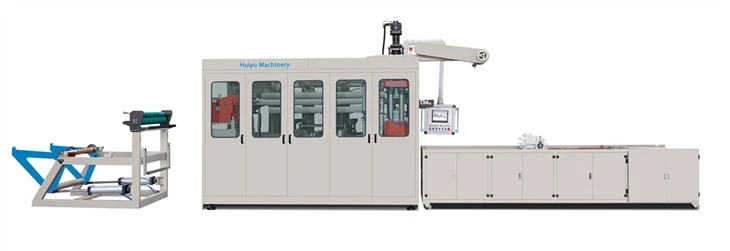
- A Disposable Plastic Cup Thermoforming Machine uses heat to soften the plastic sheets and then forms them into cups. The heating elements in these machines are major power consumers. The power needed to heat the plastic to the right temperature depends on the size of the heating area and the required heating rate.
-
Production Capacity
- Machines with higher production capacities generally consume more power. A machine that can produce a large number of plastic cups per hour will require more energy to drive the motors, heat the plastic, and operate the forming mechanisms continuously. For instance, if a machine is designed to produce 500 cups per hour, it will need less power compared to a machine that can produce 2000 cups per hour. The latter has to work at a faster pace, which means more energy is required to keep the production line moving smoothly.
-
Operating Conditions
- The power consumption of a plastic cup making machine can also be affected by the operating conditions. If the machine is running in a cold environment, the heating elements in a thermoforming machine will need to work harder to reach and maintain the required temperature, thus consuming more power. Similarly, if the plastic material used has a high melting point, more energy will be needed to heat it for forming.
- The frequency of start - stop cycles can also impact power consumption. Each time a machine starts, it requires a surge of power to get the motors and other components up and running. Frequent starts and stops can lead to higher overall power consumption compared to continuous operation.
Measuring Power Consumption
To accurately measure the power consumption of a plastic cup making machine, you can use a power meter. A power meter can be connected to the machine's electrical supply to measure the amount of electrical energy (in kilowatt - hours, kWh) consumed over a specific period.
When measuring, it is important to note the following:
- Baseline measurement: Measure the power consumption when the machine is idle. This will give you an idea of the standby power, which is the power consumed by the machine even when it is not actively producing cups. For example, some control systems and sensors may still be operational during standby, consuming a small amount of power.
- Production - mode measurement: Measure the power consumption during normal production. Run the machine at different production speeds and with different types of plastic materials to get a comprehensive understanding of its power requirements under various conditions.
Reducing Power Consumption
As a supplier, I understand the importance of energy efficiency for our customers. Here are some ways to reduce the power consumption of a plastic cup making machine:

- Optimize machine settings: Adjust the heating temperature and time settings carefully. Using the minimum amount of heat required to form the plastic cups can significantly reduce energy consumption. For example, if the plastic material can be formed at a slightly lower temperature without compromising the quality of the cups, set the heating elements accordingly.
- Regular maintenance: Keep the machine well - maintained. Clean the heating elements regularly to ensure efficient heat transfer. A dirty heating element may require more power to reach the desired temperature. Also, lubricate the moving parts to reduce friction, which can also save energy as the motors don't have to work as hard to drive the components.
- Use energy - efficient components: When purchasing a plastic cup making machine, look for models that are equipped with energy - efficient motors and heating elements. These components are designed to consume less power while still providing the required performance.
Conclusion
The power consumption of a plastic cup making machine is influenced by several factors, including the machine type, production capacity, and operating conditions. By understanding these factors and taking appropriate measures to measure and reduce power consumption, businesses can save on energy costs and improve their overall efficiency.
If you are interested in learning more about our plastic cup making machines or have questions regarding power consumption and energy efficiency, we invite you to contact us for a detailed discussion. We can provide you with more information about the specific power requirements of our machines and help you choose the most suitable model for your production needs.
References
- Engineering textbooks on plastic processing machinery
- Industry reports on energy consumption in plastic manufacturing


