

When it comes to buying a plastic packaging machine, there are quite a few technical parameters you gotta consider. As a plastic packaging machine supplier, I've seen firsthand how these details can make or break a purchase. So, let's dive right in and take a look at what you should keep an eye on.
Production Capacity
One of the most important things to think about is the production capacity of the machine. This is usually measured in terms of the number of products it can produce per hour or per day. You need to figure out how much output you need to meet your business goals. If you're a small - scale operation, a machine with a lower production capacity might be enough. But if you're looking to supply to big retailers or have a high - demand market, you'll want a machine that can churn out a large number of plastic packages quickly.
For example, if you're in the business of making disposable plastic cups, a Disposable Plastic Cup Thermoforming Machine with a high production capacity can help you keep up with orders. You don't want to be in a situation where your customers are waiting for their products because your machine can't produce fast enough.
Precision and Accuracy
Precision is key when it comes to plastic packaging. The machine should be able to cut, shape, and seal the plastic with a high degree of accuracy. This ensures that each package looks the same and meets the quality standards. Inaccurate cutting or sealing can lead to leaks, misaligned labels, or packages that don't close properly.
When you're looking at a machine, ask about its precision specifications. Some machines come with advanced control systems that can adjust the cutting and sealing parameters to ensure consistent results. A Cup Thermoforming Machine that can form cups with precise dimensions is crucial for a professional - looking end product.
Material Compatibility
Not all plastic packaging machines can work with every type of plastic material. Different plastics have different properties, such as melting points, flexibility, and thickness. You need to make sure the machine you choose is compatible with the type of plastic you plan to use.
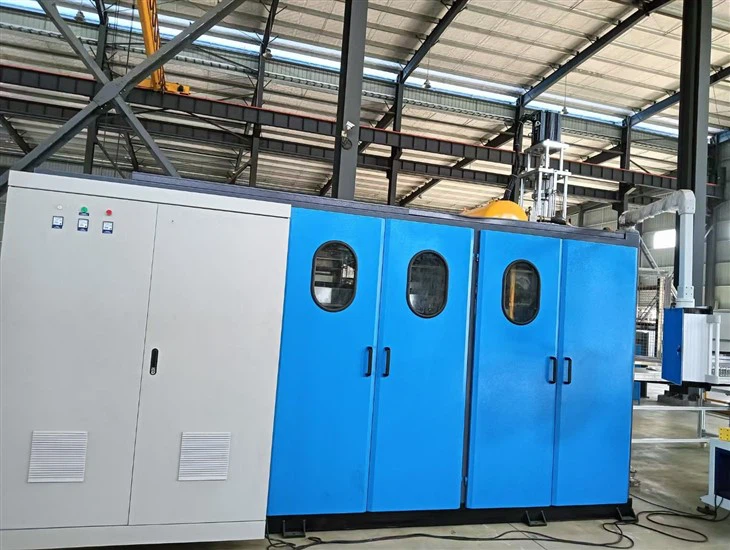

For instance, if you're using a thin - gauge plastic film for packaging snacks, the machine should be able to handle it without tearing or stretching it too much. On the other hand, if you're working with a thicker, more rigid plastic for making containers, the machine needs to have enough power to cut and shape it properly. Some machines are designed to work with a wide range of plastic materials, which can be a great advantage if you plan to diversify your product line in the future.
Automation Level
Automation can significantly improve the efficiency of your plastic packaging process. Machines with a high level of automation can perform tasks like feeding the plastic material, cutting, sealing, and stacking the finished packages with minimal human intervention.
This not only saves time but also reduces the risk of human error. For example, an automated Hydraulic Cup Forming Machine can form cups, trim the edges, and eject the finished cups all in one continuous process. However, keep in mind that more automated machines usually come with a higher price tag, so you need to weigh the benefits against the cost.
Maintenance and Durability
Like any piece of equipment, a plastic packaging machine requires regular maintenance to keep it running smoothly. You should look for a machine that is easy to maintain and has readily available spare parts. A durable machine can withstand the wear and tear of continuous operation and last for a long time.
Ask the supplier about the maintenance requirements of the machine, such as how often the blades need to be replaced or the lubrication schedule. A machine with a robust construction and high - quality components is less likely to break down, which means less downtime for your production line.
Energy Efficiency
Energy costs can be a significant part of your operating expenses. An energy - efficient plastic packaging machine can help you save money in the long run. Look for machines that are designed to use less energy without sacrificing performance.
Some machines use advanced heating and cooling systems that consume less power, or they have features like automatic shut - off when not in use. By choosing an energy - efficient machine, you're not only saving money but also being more environmentally friendly.
Safety Features
Safety should always be a top priority when operating any machinery. A good plastic packaging machine should come with a variety of safety features to protect the operators. These can include emergency stop buttons, safety guards, and sensors that detect when a hand or other object is in the dangerous area of the machine.
Make sure to ask the supplier about the safety features of the machine and how they work. A machine with proper safety features can prevent accidents and injuries in the workplace.
Cost - effectiveness
Finally, you need to consider the overall cost - effectiveness of the machine. This includes not only the purchase price but also the operating costs, maintenance costs, and the potential return on investment. You might find a machine that is relatively cheap to buy but has high operating costs, which can end up being more expensive in the long run.
Compare different machines from various suppliers to find the one that offers the best combination of features and price. Don't just go for the cheapest option, but also consider the quality and performance of the machine.
In conclusion, buying a plastic packaging machine is a big decision that requires careful consideration of these technical parameters. As a supplier, I'm here to help you find the right machine for your specific needs. If you have any questions or want to discuss your requirements further, feel free to reach out. We can have a detailed chat about which machine would be the best fit for your business, and start the process of getting you a high - quality plastic packaging solution.
References
- General knowledge from the plastic packaging machine industry.
- Experience gained from supplying plastic packaging machines to various clients.


