

As a provider of Plastic Cup Packaging Machines, I've spent a significant amount of time delving into the intricacies of the packaging process. One question that often arises in discussions with clients is about the waste rate of packaging materials in a plastic cup packaging machine. Understanding this is crucial for businesses aiming to optimize their production processes, minimize costs, and reduce their environmental impact.
Factors Influencing Waste Rate
The waste rate of packaging materials in a plastic cup packaging machine can be influenced by several factors. Firstly, the quality of the raw materials plays a vital role. Low - quality plastic films or sheets may have inconsistent thickness, which can lead to problems during the forming and sealing processes. For example, if the film is too thin in some areas, it may tear easily, resulting in wasted material. On the other hand, if it's too thick, it may not form properly, also contributing to waste.
The design of the packaging machine itself is another significant factor. Older machines may not have the advanced technology to precisely cut and shape the packaging materials. They might have wider cutting margins, which means more material is discarded during the production process. In contrast, modern Plastic Cup Machine models are equipped with high - precision cutting tools and sensors that can minimize the amount of wasted material.
The complexity of the packaging design also affects the waste rate. Elaborate designs with multiple folds, intricate shapes, or excessive printing require more material and are more likely to generate waste. A simple, streamlined design is generally more efficient in terms of material usage.
Measuring the Waste Rate
To accurately measure the waste rate of packaging materials in a plastic cup packaging machine, one needs to consider the total amount of material used in the production process and the amount of material that is actually incorporated into the final product. The waste rate can be calculated using the following formula:
Waste Rate (%) = [(Total Material Used - Material in Final Product) / Total Material Used] × 100
For example, if a production run uses 1000 square meters of plastic film and only 900 square meters end up in the finished plastic cup packages, the waste rate would be [(1000 - 900) / 1000] × 100 = 10%.
It's important to note that this calculation should be done over a significant production volume to get a reliable average waste rate. Short - term fluctuations can occur due to factors such as machine warm - up time, operator error, or minor adjustments to the production process.
Strategies to Reduce Waste Rate
As a Plastic Cup Packaging Machine supplier, I'm well - aware of the importance of helping our clients reduce their waste rates. One of the most effective strategies is to invest in high - quality, modern machines. Automatic Plastic Cup Machine models, for instance, are designed with advanced automation features that can precisely control the amount of material used in each package. These machines can adjust the cutting and forming parameters in real - time, based on the feedback from sensors, ensuring minimal waste.
Another strategy is to optimize the packaging design. By working closely with our clients' design teams, we can suggest modifications that reduce the amount of material required without sacrificing the functionality or visual appeal of the packaging. For example, using a more geometrically efficient shape or reducing unnecessary layers can significantly lower the waste rate.

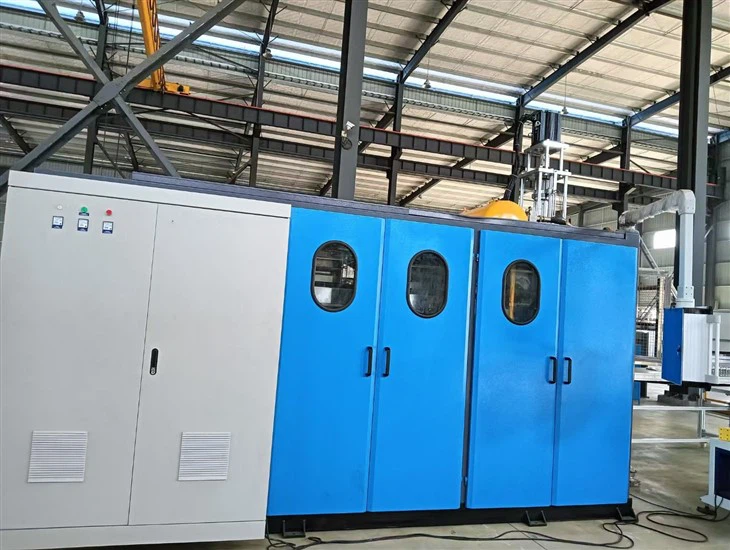
Proper training of machine operators is also crucial. Well - trained operators can monitor the production process more effectively, detect issues early, and make adjustments to minimize waste. They can also ensure that the machine is maintained properly, as a well - maintained machine is less likely to produce defective products that contribute to waste.
The Role of Hydraulic Cup Forming Machines
Hydraulic Cup Forming Machine is a type of plastic cup packaging machine that offers some unique advantages when it comes to reducing waste rate. These machines use hydraulic power to form the plastic cups, which allows for more precise control over the forming process. The hydraulic system can apply a consistent amount of pressure, ensuring that the cups are formed accurately and with minimal material deformation.
In addition, hydraulic cup forming machines can be customized to fit specific production requirements. This means that the cutting and forming tools can be tailored to the exact dimensions of the plastic cups, reducing the amount of excess material. They also have a relatively high production speed, which can increase overall efficiency and potentially lower the waste rate per unit of production.
Impact of Reducing Waste Rate
Reducing the waste rate of packaging materials in a plastic cup packaging machine has several benefits. From a cost - perspective, it directly reduces the amount of raw material that needs to be purchased, which can lead to significant savings over time. It also reduces the cost associated with waste disposal, as less waste means lower disposal fees.
From an environmental standpoint, reducing waste is essential. The plastic packaging industry has come under increasing scrutiny for its environmental impact, and minimizing waste is an important step towards sustainability. By using less plastic and generating less waste, businesses can reduce their carbon footprint and contribute to a more circular economy.
Conclusion
In conclusion, understanding and managing the waste rate of packaging materials in a plastic cup packaging machine is crucial for businesses in the plastic packaging industry. As a Plastic Cup Packaging Machine supplier, we are committed to providing our clients with the best - in - class machines and solutions to help them reduce their waste rates. Whether it's through investing in modern Plastic Cup Machine technology, optimizing packaging design, or training operators, there are many ways to achieve this goal.
If you're interested in learning more about how our plastic cup packaging machines can help you reduce your waste rate and improve your production efficiency, we encourage you to reach out to us. We'd be happy to discuss your specific needs and provide you with a customized solution.
References
- "Principles of Packaging Technology" by Sachin S. Desai
- "Plastic Packaging: Properties, Processing, Applications, and Regulations" by Anandjiwala, R. D., & Blamey, J. M.


